Many people believe that diet is a matter of personal freedom. However, when our choices create irreversible harm to environmental sustainability and animals, perhaps it is time to rethink our consumption.
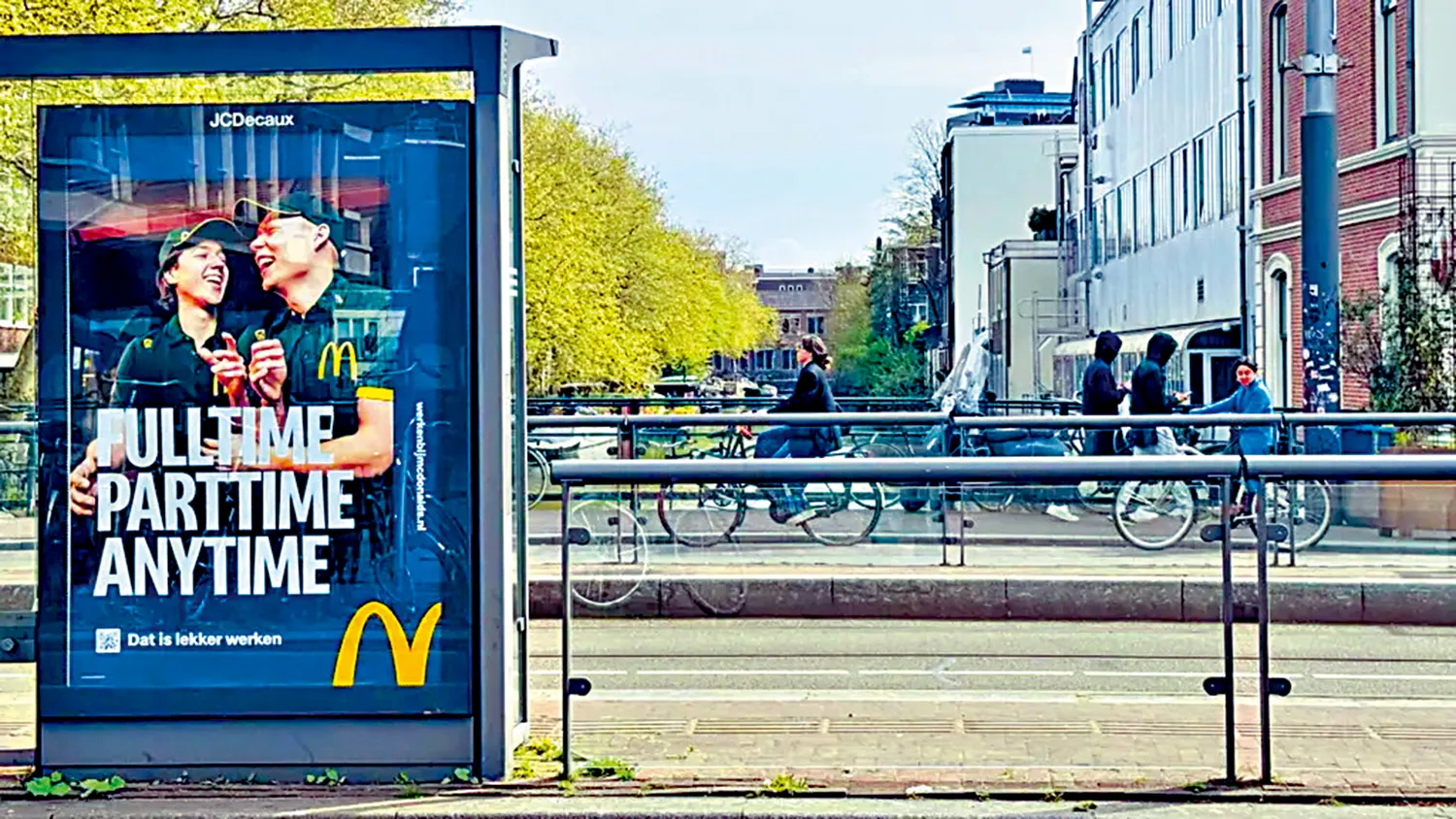
Starting May 1 this year, Amsterdam became the first capital city in the world to ban public advertisements for meat products and fossil fuel-related industries. Walking through the streets of Amsterdam today, one can notice that advertisements once promoting burgers, cars, and airlines have disappeared from bus stops, tram stations, and metro platforms.
This policy is part of Amsterdam’s broader effort to transition toward a sustainable food system. The city aims to cut meat consumption in half, with the ultimate goal of achieving carbon neutrality by 2050.
Research shows that animal agriculture accounts for approximately 20% of global greenhouse gas emissions—more than the entire global transportation sector and double the emissions generated by the fashion industry.
“This policy helps advance Amsterdam’s established goal of ensuring that 50% of its citizens’ diets are plant-based by 2050. Such a transition is not only beneficial for the climate but also for human health and, of course, for animals,” commented Joey Cramer, head of ProVeg Netherlands.
“Everyone can make their own decisions,” added Anke Bakker, chair of the Dutch Party for the Animals. “But in reality, we hope that large corporations stop constantly dictating what we should eat and buy. Removing this continuous visual stimulation not only reduces impulsive purchasing but also sends a clear message: cheap meat and fossil-fuel-dependent travel are no longer lifestyles worth aspiring to.”
trends
Amsterdam has banned meat advertising as part of a broader push to cut emissions and promote plant-based diets.
Amsterdam became the first capital city in the world to ban public advertisements for meat products and fossil fuel-related industries.