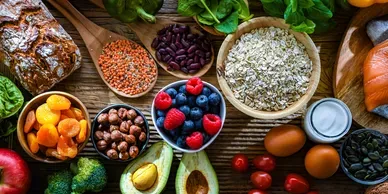
A large observational study published in The American Journal of Clinical Nutrition suggests that increasing the proportion of plant-based protein in the diet may help reduce the risk of cardiovascular disease.
Researchers analyzed dietary, lifestyle, and health data from nearly 203,000 adults collected over a 30-year period. They compared participants' intake of plant and animal protein and found that those with the highest proportion of plant protein had a 19% lower risk of cardiovascular disease and a 27% lower risk of coronary artery disease than those with the lowest proportion.
The study also estimated that the average American consumes plant and animal protein at a ratio of 1:3. The findings suggest that increasing this ratio to 1:2 may help lower the risk of cardiovascular disease, while a ratio closer to 1:1 may provide greater protection against coronary artery disease.
The researchers assessed participants' protein intake through dietary records collected every four years. The benefit for cardiovascular disease leveled off once the plant-to-animal protein ratio reached 1:2, while coronary heart disease risk kept falling as the share of plant protein rose. Senior author Frank Hu, professor of nutrition and epidemiology at Harvard, advised that most people should eat less meat, especially red and processed meat, and more legumes and nuts. (Source: suiis, https://www.suiis.com/news/article/1830)