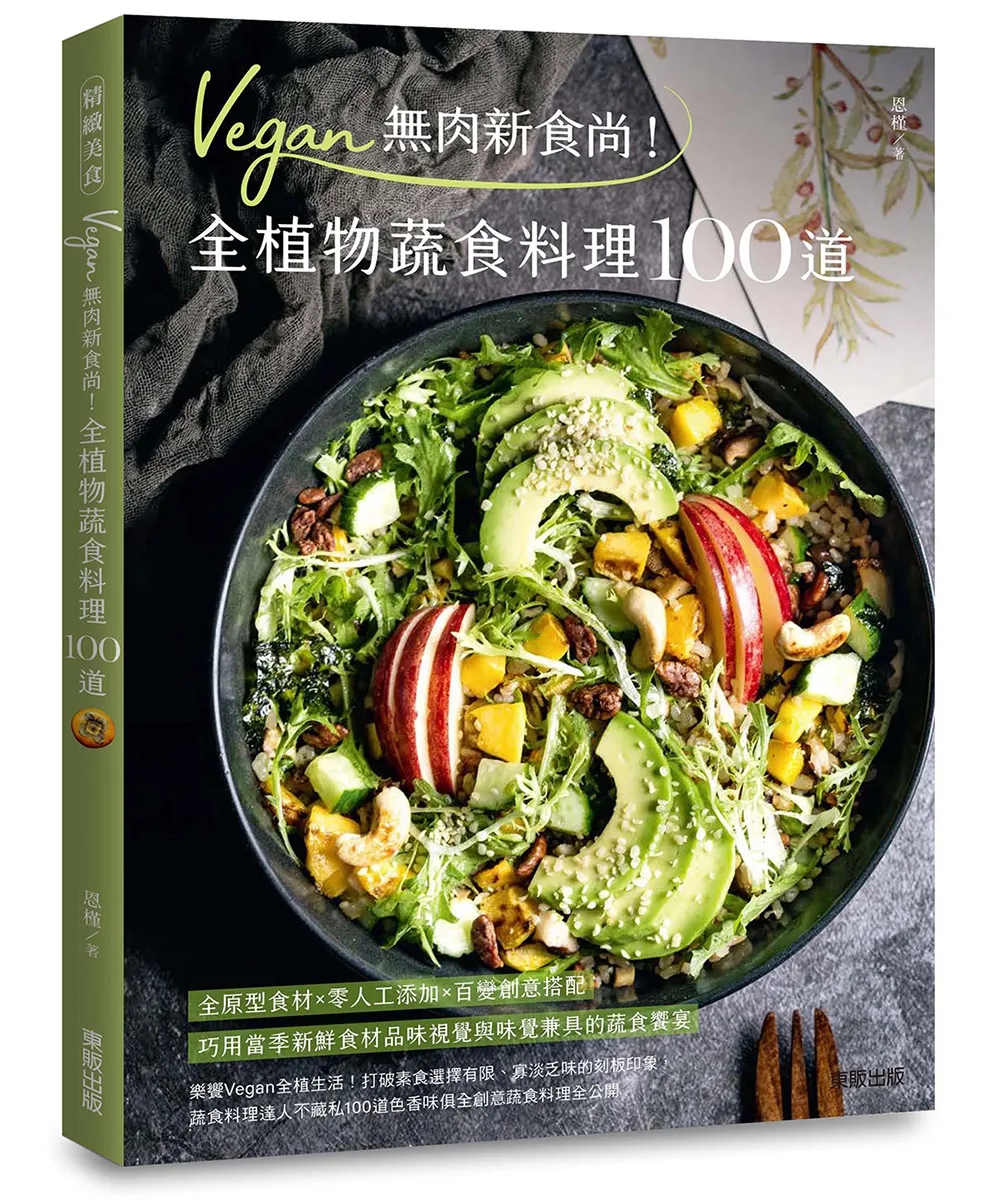
The 100 recipes in this book break the stereotype that vegetarian food is bland and boring, filling your table with creative whole-plant dishes that look, smell and taste wonderful. Following the rhythm of the four seasons, they use common, fresh seasonal ingredients to reconnect you with nature. By combining vegetables, fruits, legumes, grains, nuts and seeds, and cooking them in moderate, minimally processed ways, the recipes meet everyday nutritional needs and nourish body and mind.
Besides nutritious whole-plant bowls, you will find salads, noodles, rice balls, desserts and drinks. Tips on building a pantry, making basic ingredients at home and storing everyday ingredients make whole-plant cooking easier, while attractive color pairings and refined plating make every meal a treat for both the eyes and the palate.
A whole-plant diet uses fresh vegetables, fruits, legumes, grains, nuts and seeds, with no meat, fish, dairy, eggs or honey. It is a way of eating that is kind to the environment, good for body and mind, and friendly to animals.
Based on scientific principles for planning whole-plant meals, the book is organized by season and shares 100 creative recipes made with seasonal ingredients to meet the body's daily needs. The author hopes readers will be nourished by plant-based food, balance body and mind with healthy natural ingredients, and choose a healthier, greener and more harmonious way of life.
Why choose a whole-plant diet?
This way of eating leaves you feeling light and refreshed without discomfort. It balances nutrition, is kind to animals and the environment, and can be done without forcing yourself.
Will I get enough nutrients?
A whole-plant diet follows the principles of variety and sound food pairing, and professional books and scientific research show that it does not cause malnutrition. It does take some systematic learning: understand basic nutrition, plant ingredients, how to combine plant foods and cooking techniques, keep a well-stocked pantry, and then put it into practice step by step. Don't try it blindly, or you may feel unwell.
How do I eat a varied diet?
Eating a varied diet means including fruits, vegetables, legumes, nuts, seeds and whole grains (such as oats, brown rice and quinoa) every day. Try to choose vegetables of many colors daily and have a small handful of nuts each day, and also take vitamin B12 and vitamin D supplements. Moderate exercise, such as walking, and time in the sun are good additions too.
How can a whole-plant diet fit with my family's eating habits?
Prepare a few extra dishes for everyday meals. It may feel like extra work at first, but you will gradually find what works for everyone. Most importantly, respect your family's eating habits so that you can understand and accommodate one another. Being able to sit down and eat together every day is what happiness looks like.
Highlights of this book
Nutritious, delicious, abundant and stylish: easily cook healthy, eco-friendly plant-based dishes at home
Whole ingredients, zero artificial additives and endless creative combinations: seasonal produce turned into plant-based feasts for the eyes and the palate
Breaking the stereotype that vegetarian food is limited and bland: a plant-based cooking expert shares 100 colorful, flavorful recipes