Plant-Based Diet During Pregnancy
Overview
Pregnancy means eating for two. But remember, one of them is very small.
While expectant mothers need more nutrients, the overall diet doesn't change drastically from your usual eating habits.
Caloric intake during pregnancy only needs to increase moderately.
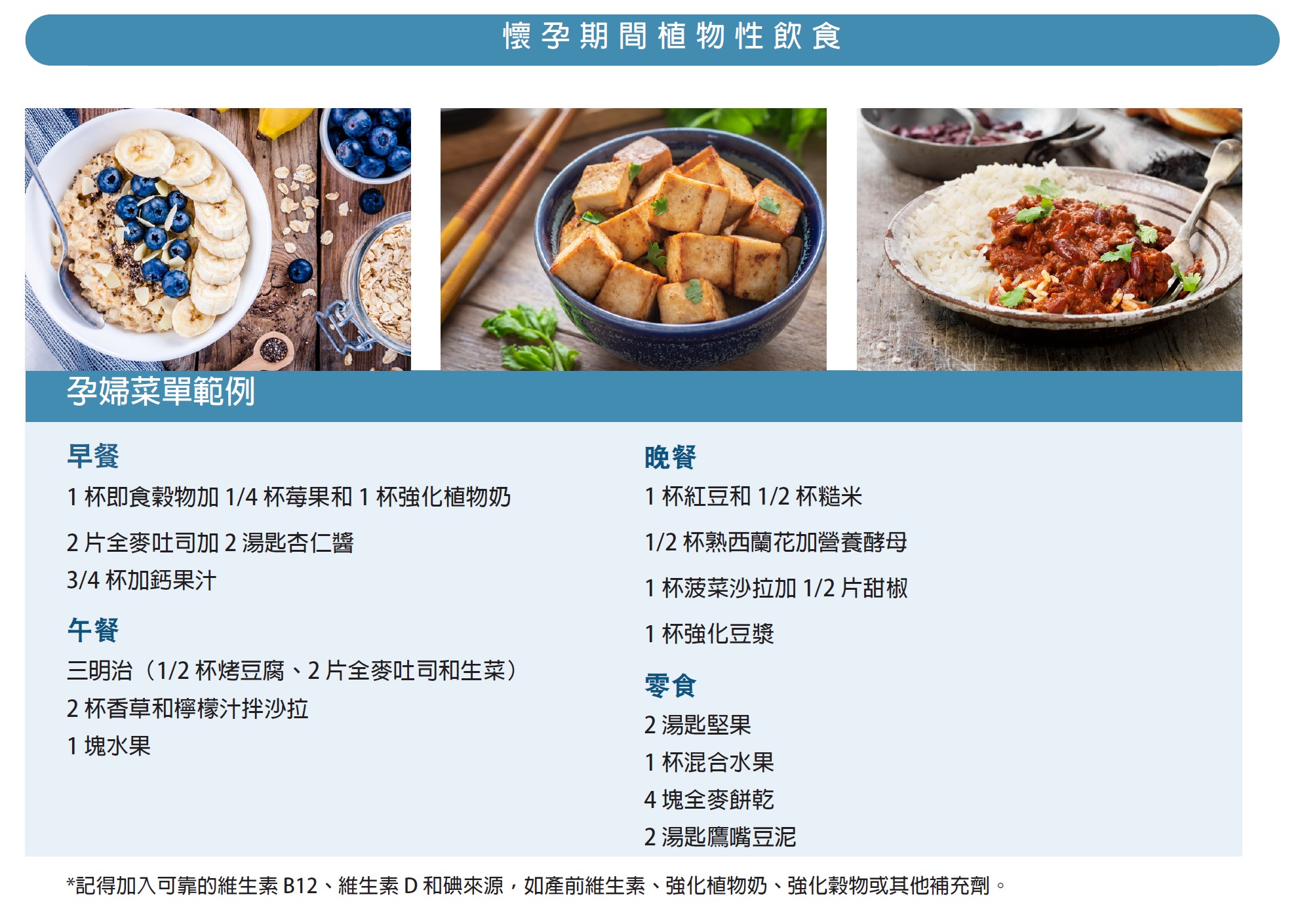
In the first trimester, no extra calories are needed at all. Women typically need an additional 340 calories per day in the second trimester (e.g., 1 cup of cooked black beans plus 1 cup of soy milk), and an additional 450 calories per day in the third trimester (e.g., adding 1 tablespoon of peanut butter or 8 oz of orange juice to the previous example) (Refs. 1–4). All pregnant women need to make wise dietary choices.
What is most important is to eat foods rich in nutrients but not excessively high in fat, sugar, or calories.
A nutrient-rich, whole-food-based plant diet is a healthy choice for any pregnant woman. The Academy of Nutrition and Dietetics states that well-planned plant-based dietary patterns are appropriate for all stages of life (Ref. 5). Meals and snacks centered on legumes, whole grains, fruits, vegetables, and moderate amounts of nuts and seeds will provide optimal nutrition during pregnancy.
Research shows that women following plant-based diets are not at higher risk of adverse pregnancy outcomes than non-plant-based diet women (Ref. 6). In fact, a plant-based diet may offer many benefits during pregnancy. Mothers who eat primarily plant-based foods during pregnancy have a lower risk of excessive weight gain (Ref. 7). Plant-based mothers also experience fewer pregnancy-related complications, such as preeclampsia and gestational diabetes (Ref. 8). Children of plant-based mothers also benefit — they are less likely to develop chronic diseases later in life and are less likely to be overweight as they grow up (Refs. 9, 10).
Nutrients
To ensure you receive optimal nutrition, pay attention to the following nutrients:
10-1 [Calcium]
Pregnant women do not need more calcium than before pregnancy.
The Dietary Reference Intake (DRI) for calcium remains unchanged during pregnancy, at 1,000 mg/day for women aged 19–50, because pregnant women tend to absorb more calcium (Ref. 3).
Just as before pregnancy, adequate calcium can be easily obtained through a plant-based diet. In fact, calcium absorption from plant foods is superior to that from dairy products (Ref. 11). Good sources of calcium include:
Calcium-set tofu, soybeans, dark leafy greens, bok choy, broccoli, beans, figs, sunflower seeds, tahini, almond butter, calcium-fortified plant milks, and calcium-fortified cereals and juices.
Eat these foods daily to meet your calcium needs.
10-2 [Essential Fats]
Alpha-linolenic acid (ALA) is an essential fat and an important component of the diet. The body converts ALA into long-chain polyunsaturated fatty acids (DHA and EPA), but conversion rates vary among individuals (Ref. 2).
The Adequate Intake (AI) for ALA is 1.1 g/day for women aged 19–50, increasing to 1.4 g/day during pregnancy (Ref. 1). ALA is found in many plant foods, especially flaxseeds and flaxseed oil. You can also obtain ALA from canola oil, walnut oil, walnuts, chia seeds, hemp seeds, kale, and soybeans.
However, the typical Western diet contains more omega-6 fats (from animal products and vegetable oils) than omega-3 fats. This excess can prevent omega-3 fats from being efficiently converted to EPA and DHA. Avoiding processed foods and baked goods such as chips can help you reduce unnecessary omega-6 fats.
Research shows that infants born to plant-based mothers have lower plasma and umbilical cord DHA levels (Ref. 7). Since plant-based eaters do not obtain DHA from their diet, their bodies must produce DHA from ALA. Because the rate at which people convert ALA to DHA and EPA varies, taking an algae-based DHA supplement (100–300 mg) may be good insurance. Consult your doctor to determine whether this supplement is right for you (Refs. 12, 13).
10-3 [Folate]
Folate is especially important in the early weeks of pregnancy and is crucial for helping prevent neural tube defects. Folate also has other functions. As the name suggests (derived from the word "foliage"), the natural source of folate is leafy green vegetables. Legumes are also rich in folate. Because diets vary from day to day, it is best to take a multivitamin or prenatal supplement providing at least 400 mcg of folate daily. Many breakfast cereals and other grain products are fortified with folate. An intake of 600 mcg of folate per day is necessary during pregnancy (Ref. 2).
10-4 [Iron]
Iron needs increase during pregnancy to support fetal and placental development and to sustain the increase in maternal blood volume (Ref. 14).
The DRI for iron is 18 mg/day for women aged 19–50, increasing to 27 mg/day during pregnancy (Refs. 3, 15). Iron requirements may be greater for plant-based eaters because iron from non-animal sources is less efficiently absorbed (Ref. 16). Because it can be difficult to meet growing iron needs through diet alone, doctors typically prescribe iron supplements (or iron-containing prenatal vitamins) regardless of the mother's dietary pattern. However, if your blood tests show normal iron levels, taking high-dose iron supplements may be harmful (Ref. 17). Consult your doctor to determine whether you need supplements.
Iron supplements should not be taken at the same time as tea, coffee, or calcium supplements, as these reduce iron absorption. Dairy products decrease iron absorption and should be avoided.
In addition to taking prescription vitamins or supplements, plant-based women should include iron-rich plant foods in their daily diet. Sources of iron include whole grains and fortified grains, legumes, nuts, seeds, dark green vegetables, dried fruits, and blackstrap molasses. Including vitamin C–rich foods in the diet (most fruits and vegetables) enhances the absorption of iron from plant foods.
10-5 [Protein]
Pre-pregnant women aged 19–50 are recommended to consume 0.36 grams of protein per pound of body weight. For a 125-pound woman, this is 125 × 0.36 = 45 grams of protein. During pregnancy, the daily protein requirement increases by 25 grams. Therefore, this woman would need 70 grams of protein per day during pregnancy. Protein sources in a plant-based diet include whole grains, legumes and lentils, vegetables, nuts, and seeds. As long as the plant-based diet is balanced, provides sufficient calories, and includes these foods, protein needs will very likely be met (Ref. 18).
10-6 [Vitamin B12]
Vitamin B12 intake needs only a slight increase during pregnancy, rising from 2.4 mcg/day to 2.6 mcg/day for women aged 19–50 (Ref. 2). Vitamin B12 can be obtained from fortified foods, such as fortified cereals, meat substitutes, plant milks, and nutritional yeast. Be sure to check labels to identify which foods are fortified.
Foods such as seaweed and tempeh are generally not reliable sources of vitamin B12. Since not everyone absorbs B12 effectively, take a prenatal vitamin or B12 supplement (at least 100 mcg of vitamin B12) (Ref. 19).
Taking an additional 250 mcg of chewable or sublingual vitamin B12 on an empty stomach can further raise B12 levels in the blood. Request that your B12 levels be checked in early pregnancy and during breastfeeding to ensure you are getting enough.
10-7 [Vitamin D]
Women of childbearing age and pregnant women need 600 IU of vitamin D per day. This is important for both the mother and the baby. Vitamin D is produced by the body after exposure to sunlight. For many people, 5 to 15 minutes of sun exposure on the arms, legs, hands, or face between 10 a.m. and 3 p.m. during spring, summer, and fall is sufficient to meet vitamin D needs. People with darker skin tones need longer sun exposure to achieve the same effect (Ref. 20).
Vitamin D is difficult to obtain through diet alone unless using fortified foods, although many ready-to-eat cereals and plant milks are fortified with vitamin D. Pregnant women who have limited sun exposure, live in northern latitudes, or have darker skin tones should ensure their diet includes vitamin D–fortified foods. Many prenatal vitamins also contain vitamin D.
10-8 [Zinc]
Zinc requirements increase during pregnancy. The DRI for women aged 19–50 is 8 mg/day, increasing to 11 mg/day during pregnancy (Ref. 3).
Plant-based pregnant women may have even greater zinc needs, as zinc absorption from plant-based diets is lower (Ref. 21).
Prenatal vitamins typically include zinc.
Zinc can also be found in legumes, nuts, whole grains, and cereals. Adding sprouted grains, legumes, seeds, and yeast-leavened breads to the diet can increase zinc absorption from plant sources. Soaking legumes before cooking and pairing zinc sources with acidic ingredients (such as lemon juice or tomato sauce) can achieve the same effect.
10-9 [Iodine]
Iodine is crucial for fetal brain development in early pregnancy. Getting enough iodine is especially important during the first months when the baby's brain is growing rapidly. Iodized salt (but not sea salt or Himalayan salt) and some fruits and vegetables contain iodine. However, the iodine content of fruits and vegetables varies depending on the soil in which they are grown.
Pregnant women, breastfeeding women, or women who are trying to conceive should supplement with 150 mcg of iodine daily in the form of potassium iodide (Ref. 22). Prenatal vitamins may not contain iodine, so if this is the case, be sure to take an additional iodine supplement.
10-10 [Choline]
Choline is essential for fetal brain development and may help prevent neural tube defects. The recommended daily intake for pregnant women is 450 mg (Ref. 1). Eat plenty of choline-rich foods such as tofu, soy milk, quinoa, legumes, peanut butter, cruciferous vegetables, and mushrooms. Consider supplementing with 250 mg of choline during pregnancy and breastfeeding, or as recommended by your obstetrician.
A note on dietary supplements: Your clinician may recommend supplements to ensure you meet your vitamin/mineral needs. Most prenatal vitamins will meet your requirements. If you wish to use any other dietary supplements, including herbal or botanical supplements, consult your clinician. Many herbal supplements have not been adequately tested for safety during pregnancy.
Plant-Based Diet During Pregnancy
Pregnancy Health Guidelines
- Start eating healthily before pregnancy. The nutrients stored in your body will support your child's early growth and development.
- Maintain a steady weight gain. Aim to gain about 2–4 pounds total in the first trimester, then about 1 pound per week during the second and third trimesters. If you were at a normal weight before pregnancy, the recommended total weight gain is 23–35 pounds. However, if you were underweight before pregnancy, you should gain 28–40 pounds; if you were overweight, you should gain 15–25 pounds. Women carrying twins should gain 37–54 pounds (Refs. 2, 3).
- Attend regular prenatal checkups.
- Do not drink alcohol or use tobacco products during pregnancy.
- Keep daily caffeine intake below 200 mg (approximately the amount in 2 cups of coffee) (Refs. 23, 24).
- Exercise during pregnancy is generally beneficial for both mother and baby. Discuss an appropriate exercise plan with your doctor.
- Limit empty calories from highly processed foods and sweets. Count your calories!
Breastfeeding
Guidelines for breastfeeding mothers are similar to those for pregnant women. Producing breast milk requires even more calories than pregnancy, so food intake needs to increase slightly. During the first six months of breastfeeding, you need an additional 500 calories per day compared to before pregnancy. In the second six months of breastfeeding, this can be reduced to an additional 400 calories. Protein requirements are the same as during pregnancy — an additional 25 grams per day more than before pregnancy (Ref. 1).
References
1. Food and Nutrition Board, Institute of Medicine. Dietary Reference Intakes for Energy, Carbohydrate, Fiber, Fat, Fatty acids, Cholesterol, Protein, and Amino Acids (Macronutrients). National Academy Press; 2005.
2. Procter SB, Campbell CG. Position of the Academy of Nutrition and Dietetics: nutrition and lifestyle for a healthy pregnancy outcome. J Acad Nutr Diet. 2014;114(7):1099-1103. doi:10.1016/j.jand.2014.05.005
3. Kominiarek MA, Rajan P. Nutrition recommendations in pregnancy and lactation. Med Clin North Am. 2016;100(6):1199-1215. doi:10.1016/j.mcna.2016.06.004
4. US Department of Agriculture. Dietary Guidelines for Americans, 2020–2025. Accessed March 20, 2024.
5. Melina V, Craig W, Levin S. Position of the Academy of Nutrition and Dietetics: vegetarian diets. J Acad Nutr Diet. 2016;116(12):1970-1980. doi:10.1016/j.jand.2016.09.025
6. Piccoli GB, Clari R, Vigotti FN, et al. Vegan-vegetarian diets in pregnancy: danger or panacea? a systematic narrative review. BJOG. 2015;122(5):623-633. doi:10.1111/1471-0528.13280
7. Steube AM, Oken E, Gillman MW. Associations of diet and physical activity during pregnancy with risk for excessive gestational weight gain. Am J Obstet Gynecol. 2009;201(1):58.e1-8. doi:10.1016/j.ajog.2009.02.025
8. Mitsunami M, Wang S, Soria-Contreras DC, et al. Prepregnancy plant-based diets and risk of hypertensive disorders of pregnancy. Am J Obstet Gynecol. 2024;230(3):366.e1-366.e19. doi:10.1016/j.ajog.2023.07.057
9. Pistollato F, Cano SS, Elio I, Vergara MM, Giampieri F, Battino M. Plant-based and plant-rich diet patterns during gestation: beneficial effects and possible shortcomings. Adv Nutr. 2015;6(5):581-591. doi:10.3945/an.115.009126
10. Maslova E, Rytter D, Bech BH, et al. Maternal protein intake during pregnancy and offspring overweight 20 y later. Am J Clin Nutr. 2014;100(4):1139-1148. doi:10.3945/ajcn.113.082222
11. Keller JL, Lanou A, Barnard ND. The consumer cost of calcium from food and supplements. J Am Diet Assoc. 2002;102(11):1669-1671. doi:10.1016/s0002-8223(02)90355-x
12. Carlson SE. Docosahexaenoic acid supplementation in pregnancy and lactation. Am J Clin Nutr. 2009;89(2):678S-684S. doi:10.3945/ajcn.2008.26811E
13. Koeder C, Perez-Cueto FJA. Vegan nutrition: a preliminary guide for health professionals. Crit Rev Food Sci Nutr. 2024;64(3):670-707. doi:10.1080/10408398.2022.2107997
14. Ataide R, Fielding K, Pasricha SR, Bennett C. Iron deficiency, pregnancy, and neonatal development. Int J Gynaecol Obstet. 2023;162(Suppl 2):14-22. doi:10.1002/ijgo.14944
15. Food and Nutrition Board, Institute of Medicine. Dietary Reference Intakes for Vitamin A, Vitamin K, Arsenic, Boron, Chromium, Copper, Iodine, Iron, Manganese, Molybdenum, Nickel, Silicon, Vanadium, and Zinc. 2nd ed. National Academy Press; 2000.
16. World Health Organization, Food and Agriculture Organization of the United Nations. Vitamin and Mineral Requirements in Human Nutrition. 2nd ed. World Health Organization and Food and Agriculture Organization of the United Nations; 2004.
17. Rioux FM, LeBlanc CP. Iron supplementation during pregnancy: what are the risks and benefits of current practices? Appl Physiol Nutr Metab. 2007;32(2):282-288. doi:10.1139/H07-012
18. Mangels R, Messina VK, Messina M. The Dietitian's Guide to Vegetarian Diets: Issues and Applications. 3rd ed. Jones and Bartlett Learning; 2010.
19. Institute of Medicine, Food and Nutrition Board. Dietary Reference Intakes for Thiamin, Riboflavin, Niacin, Vitamin B(6), Folate, Vitamin B(12), Pantothenic Acid, Biotin, and Choline. National Academies Press; 1998.
20. Holick MF. The vitamin D epidemic and its health consequences. J Nutr. 2005;135(11):2739S-2748S. doi:10.1093/jn/135.11.2739S
21. Saunders AV, Craig WJ, Baines SK. Zinc and vegetarian diets. Med J Aust. 2013;199(S4):S17-S21. doi:10.5694/mja11.11493
22. Stagnaro-Green A, Sullivan S, Pearce EN. Iodine supplementation during pregnancy and lactation. JAMA. 2012;308(23):2463-2464. doi:10.1001/jama.2012.45423
23. American Pregnancy Association. Caffeine During Pregnancy. American Pregnancy Association. Accessed February 24, 2021. http://americanpregnancy.org/pregnancy-health/caffeine-intake-during-pregnancy/
24. Lakin H, Sheehan P, Soti V. Maternal caffeine consumption and its impact on the fetus: a review. Cureus. 2023;15(11):e48266. doi:10.7759/cureus.48266
Source: Physicians Committee for Responsible Medicine
A nonprofit organization advocating preventive medicine and plant-based diets, dedicated to improving health through nutrition.
Visit Website > PCRM.org