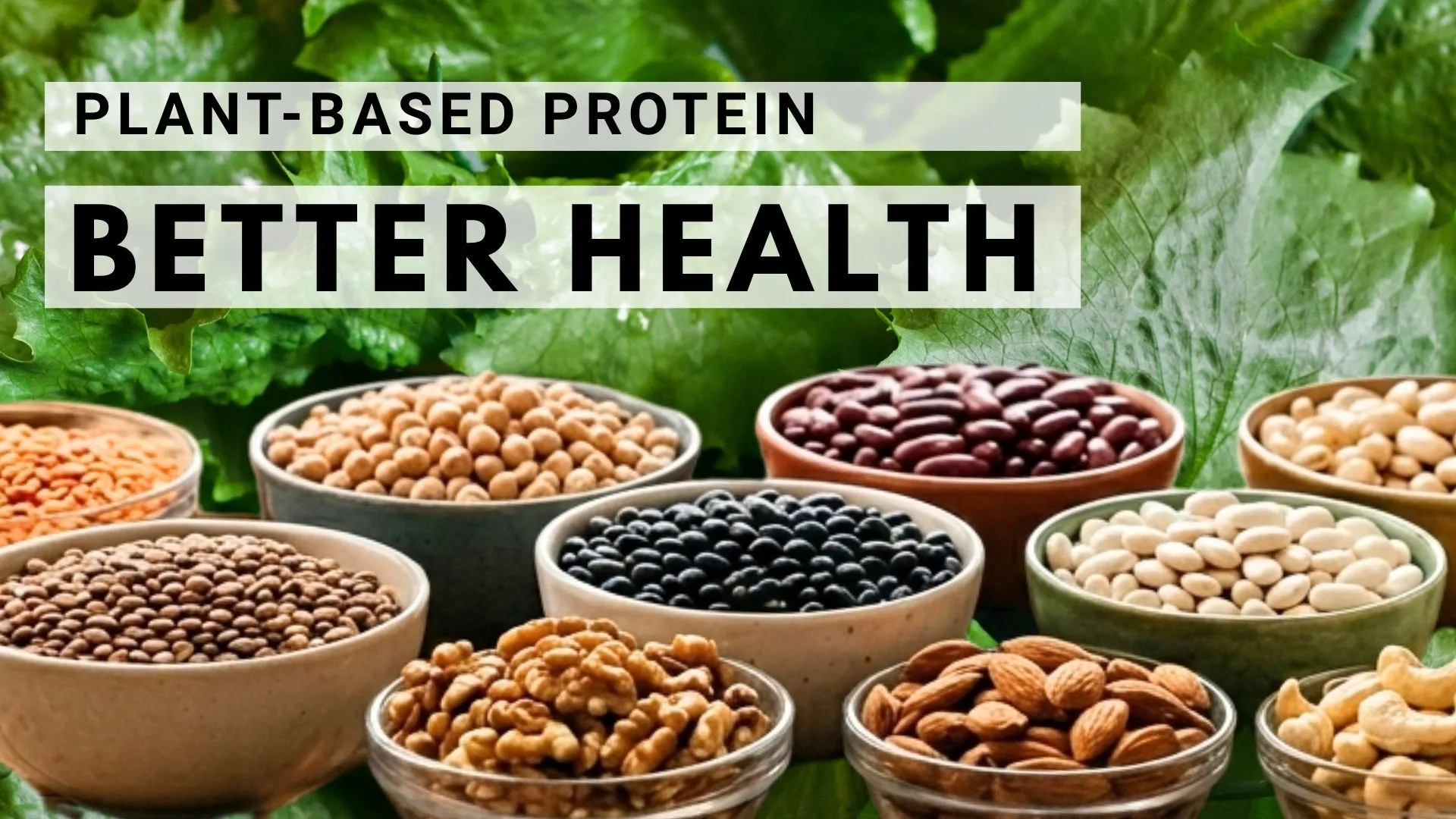
The link between diet and health has drawn growing research attention in recent years. A large study from the Harvard T.H. Chan School of Public Health found that increasing the proportion of plant protein in the diet, while cutting back on some animal protein sources, is associated with a lower risk of cardiovascular disease.
The research team analyzed diet, lifestyle, and health data from more than 203,000 American adults, followed for about 30 years, to examine how the ratio of plant to animal protein intake affects cardiovascular health.
The results showed that replacing red and processed meat with plant protein, especially by eating more whole plant foods such as legumes and nuts, brought greater health benefits. People with the highest share of plant protein had about a 19% lower risk of cardiovascular disease and about a 27% lower risk of coronary heart disease.
The researchers noted that plant protein sources provide not only protein but also dietary fiber, unsaturated fats, and a range of phytonutrients. By contrast, eating less red and processed meat helps reduce saturated fat and other factors that may affect heart health.
Lead researcher Professor Frank Hu said that eating more legumes, nuts, and other plant protein sources while eating less meat is not only good for human health but also in line with the global shift toward sustainable diets.